
10 October 2026
Why Was Ampang Jammed on 9 October? The Nine Emperor Gods Festival (九皇爷诞) Explained
On the evening of 9 October 2026, roads around Ampang came to a standstill as thousands of devotees in white welcomed the Nine Emperor Gods (九皇爷) to Ampang Nan Tian Gong. Here is what the festival is, why people pray, and how it is observed.
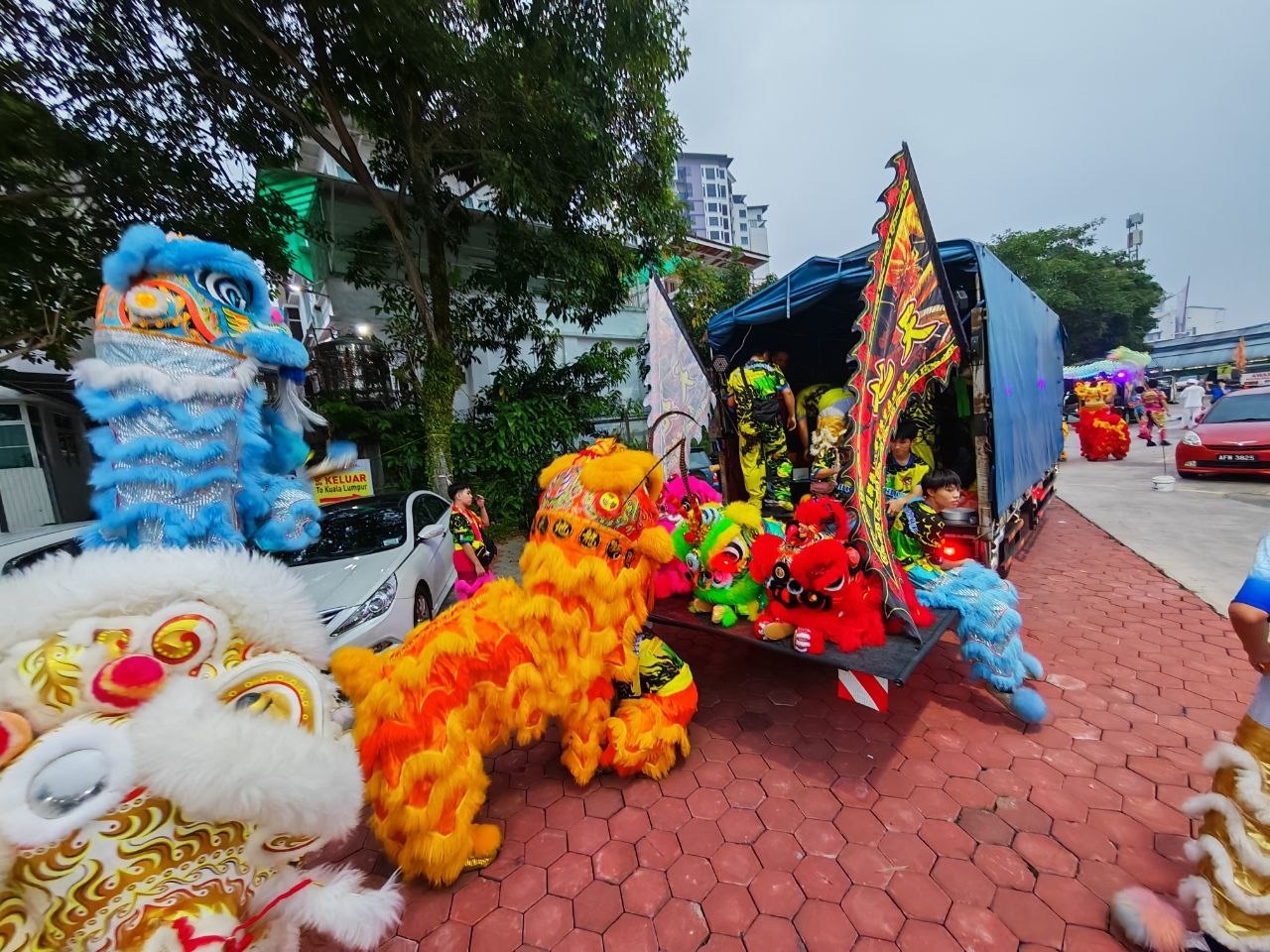
If you were driving through Ampang on the evening of Friday, 9 October 2026, you probably sat in traffic and wondered what was going on. The answer: the Nine Emperor Gods had arrived.
That night was the eve of the ninth lunar month, when Ampang Nan Tian Gong (安邦南天宫) welcomes the Nine Emperor Gods (九皇爷) for their annual nine-day festival. Thousands of devotees dressed in white, a long line of decorated floats, and dozens of dragon and lion dance troupes filled the streets of Ampang New Village to escort the gods into the temple. Roads around the temple slowed to a crawl for hours.
Quick facts
- Festival: Nine Emperor Gods Festival (九皇爷诞 / 九皇胜会)
- 2026 dates: 9 October (welcoming) to 18 October (ninth day of the ninth lunar month), with the send-off in the early hours after
- Temple: Ampang Nan Tian Gong (安邦南天宫), Ampang New Village, Selangor
- What to expect: Devotees in white, vegetarian food, processions, dragon and lion dance, incense and white candles
Why was Ampang so jammed on 9 October?
The first night of the festival is the welcoming of the gods (接驾 / 接神). On the last evening of the eighth lunar month, the temple brings out the gods' sedan chair (神轿) and processes through Ampang to receive the Nine Emperor Gods, then escorts them back to the temple.
It is one of the biggest street processions in the Klang Valley. Floats, dragon and lion troupes, devotees taking turns to carry the sedan chair, and crowds following on foot all share the same streets as Friday evening traffic, so the jam is part of the tradition.
Who are the Nine Emperor Gods?
The Nine Emperor Gods (九皇大帝) are widely understood as the nine stars of the Big Dipper (北斗九星), sons of 斗母元君, the Mother of the Big Dipper. In Taoist belief, the Northern Dipper governs life, death, and fortune, so the gods are prayed to for health, long life, and protection from misfortune.
There is also a popular folk story. Nine anti-Qing rebels from Fujian were executed by the sea, and their spirits later appeared in dreams asking to be worshipped. Afraid of the authorities, followers honoured them in secret with an incense burner and nine oil lamps. Whichever story you hear, the nine lamps and the link to the sea and rivers remain central to the festival.
The festival is celebrated mostly in Malaysia, Singapore, and southern Thailand.
Why do we pray to the Nine Emperor Gods?
- Health and long life. The Big Dipper is believed to govern lifespan, so many devotees pray for the health of their families.
- Cleansing and a fresh start. Nine days of vegetarian food and clean living are a way to purify body and mind.
- Protection and peace. Devotees pray for safety and to clear away bad luck for the year ahead.
- Gratitude and vows. Many return year after year to give thanks for prayers answered or to fulfil a vow (还愿).
How is the festival observed?
Welcoming the gods (接驾)
The festival opens on the eve of the ninth lunar month with the welcoming procession. Because the gods are believed to travel by water, temples traditionally receive them at a river or the sea before bringing them home. The inner hall is then closed off behind a white curtain for the nine days.
Going vegetarian (吃斋)
Many devotees keep a strict vegetarian diet for the nine days, often starting a few days early. Some also avoid alcohol, onions, and garlic. Vegetarian stalls pop up around the temple, which is half the fun for visitors.
Wearing white
Devotees dress in white from head to toe, often with a white head scarf. White symbolises purity and mourning, and you will see the same white candles burning throughout the temple.
Prayers and offerings
Devotees offer joss sticks, including the large dragon incense (大龙香), white candles, fruit, and oil for the lamps. Prayers continue day and night, with chanting and rituals led by the temple.
Crossing the bridge of peace (过平安桥)
Near the end of the festival, devotees cross a blessed bridge to leave bad luck behind and walk into a safe year. At some temples, devotees who have kept the full nine-day fast also take part in a fire walk (过火).
Sending off the gods (送驾)
On the night of the ninth day, the gods are sent back the way they came, usually to the river or sea in the early hours of the morning. This ends the festival, and devotees return to their normal diet.
Where does lion dance come in?
Lion and dragon dance troupes lead and escort the processions, clearing the way with drums, cymbals, and gong, and paying respect to the gods on behalf of the temple and devotees. For troupes like ours, performing for the gods is a different feeling from a CNY job or a competition. It is about service and respect.
On 9 October, TianDi Dragon & Lion Dance Team (雪隆富都天地龙狮团) joined the welcoming procession in Ampang, lining up our lions with troupes from across the Klang Valley before setting off.
Tips if you are visiting
- Avoid driving near the temple on the first and last nights. Expect slow traffic around Ampang New Village in the evenings.
- Wear white or light colours and dress modestly.
- Do not bring meat onto the temple grounds.
- Ask before taking photos of rituals, and give way to the sedan chair and devotees.
- Try the vegetarian food at the stalls nearby.
Frequently asked questions
When is the Nine Emperor Gods Festival in 2026?
The 2026 festival runs from the welcoming on 9 October to the ninth day of the ninth lunar month on 18 October, with the send-off afterwards.
Can non-devotees visit Ampang Nan Tian Gong during the festival?
Yes. Visitors are welcome to watch, pray, and enjoy the vegetarian food. Be respectful, dress modestly, and avoid bringing meat.
Why do devotees wear white?
White represents purity and the cleansing purpose of the nine days. It also reflects the solemn, mourning side of the festival.
Can I book a lion dance for a temple event?
Yes. We perform for temple celebrations, deity birthdays, and processions across the Klang Valley. WhatsApp Aimee at 014-3088218 or Marshall at 010-2388526, or send your details here.